
Fall Prevention Systems: Everything You Need to Know to Keep Patients Safe
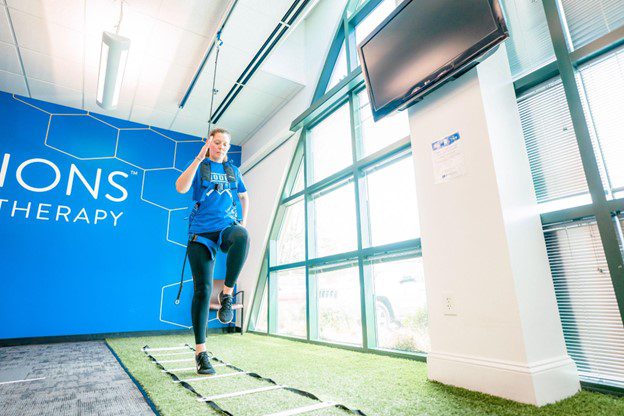
Falls are one of the most serious but preventable risks in physical therapy, elder care, and post-stroke rehabilitation. In U.S. hospitals alone, between 700,000 and 1 million patient falls are reported each year! Whether you are a physical therapist, caregiver, or facility manager, understanding how fall prevention systems work is critical to achieving safe, confident, and effective rehabilitation outcomes.
What is a Fall Prevention System?
A fall prevention system is a device, tool, or integrated setup designed to reduce the risk of falls during walking, balance training, physical therapy exercises, or daily activities. Fall prevention systems can range from simple tools like handrails or non-slip flooring to more sophisticated overhead track and harness systems like Solo-Step that provide continuous, hands-free fall protection.
The main goals of any fall prevention system are:
- Protect the patient from injury in case of a fall or loss of balance
- Empower the therapist or caregiver to facilitate movement without constant guarding of the patient
- Build patient confidence by creating a safe environment to push rehabilitation boundaries to help the patient get better faster
Why are Fall Prevention Systems Important?
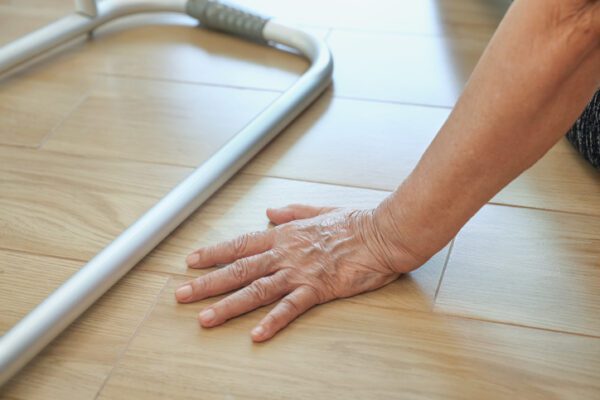
According to the Centers for Disease Control and Prevention (CDC), one in four Americans over the age of 65 falls each year, and falls result in over 800,000 hospitalizations annually.
For patients recovering from a stroke, surgery, neurological condition, or musculoskeletal injury, the risk of falling is even higher. A single fall during rehab can:
- Cause injuries like fractures, head trauma, or torn tissue
- Set back rehab progress by weeks or even months
- Cause a condition known as post-fall syndrome- a lasting psychological fear of movement
- Increase the overall cost of care and length of the patient’s treatment
Investing in a reliable fall prevention system is about more than just safety; it is about creating the conditions needed for a faster, effective, and complete recovery.
Who Needs a Fall Prevention System?
Many patient types can benefit from a fall prevention system, including:
- Stroke survivors rebuilding mobility and balance
- Elderly patients who are experiencing age-related strength and balance decline
- Post-surgical patients recovering from hip, knee, or spinal procedures
- Neurological patients with conditions like Parkinson’s disease, multiple sclerosis, or traumatic brain injury
- Pediatric patients with mobility challenges
- Athletes who are undergoing gait retraining after injury
What Are the Different Types of Fall Prevention Systems?
Not all fall prevention systems are created equal. Some of the most common types are:
1. Overhead Track and Harness Systems
Overhead Track and Harness Systems mount to your ceiling’s upper structure. The patient wears a harness that connects to the overhead system by a trolley and a lanyard, allowing them to walk, exercise, and practice balance with continuous fall protection. Overhead track and harness systems are widely considered to be the most effective and versatile fall prevention system available because of the complete safety and security they provide.
2. Parallel Bars
Parallel bars provide a static structure that patients can grip onto while learning to walk or regain balance. They can be effective for regaining strength and balance, but they limit movement to a narrow, defined path. If the patient were to lose balance and fall, they would not be protected the same as if they were in an overhead track and harness.
3. Gait Belts and Manual Guarding
This is when a therapist holds a gait belt around the patient’s waist to prevent falls. While this method is inexpensive, it is very physically demanding for the therapist and limits how aggressively the patient can be challenged, especially if the patient is larger than the therapist.
4. Robotic Exoskeletons
Body-weight support treadmill systems and robotic gait trainers are used in specialized clinical settings. They are very effective but expensive and limited to specific types of training, such as treadmill-based training.
5. Non-Slip Flooring, Grab Bars, and Environmental Modifications
These systems reduce environmental fall hazards. While environmental hazards are extremely important, they do not provide active fall protection during challenging rehabilitation exercises like the other fall prevention systems mentioned.
What is the Solo-Step Overhead Track and Harness System?
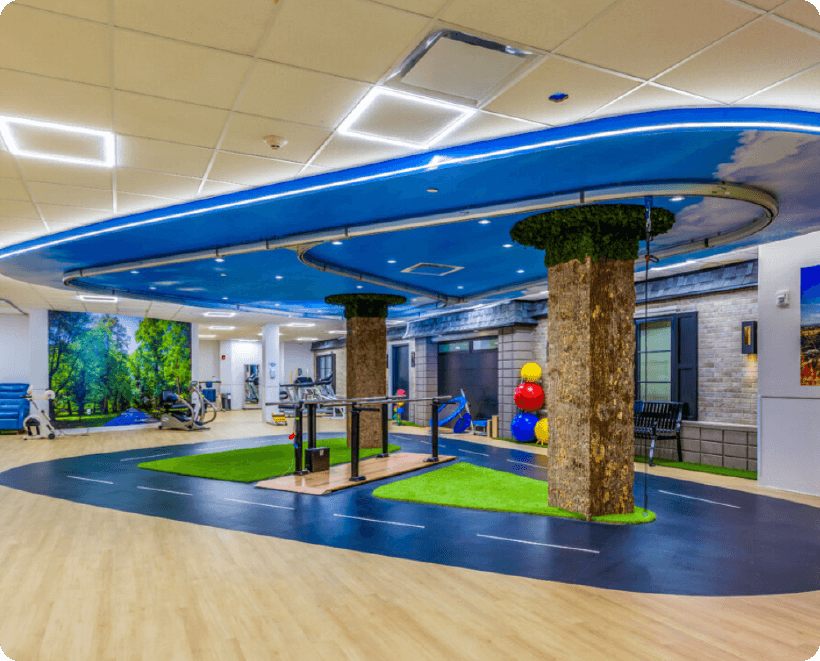
The Solo-Step Overhead Track and Harness System is a ceiling-mounted fall prevention system designed for clinical rehabilitation, hospital use, fall prevention studies, and more! The Solo-Step combines an overhead ceiling track, a smooth-gliding trolley, an adjustable lanyard, and a comfortable body harness to deliver continuous, uninterrupted fall protection while allowing patients to move freely during their exercises.
Solo-Step is simple in design and highly effective during rehabilitation. The full system includes:
-
- The Overhead Track is permanently mounted to the ceiling of a room, hallway, or treatment area. Solo-Step tracks are completely customizable to your facility. Tracks can be configured in straight runs, L-Shapes, U-Shapes, and more.
- The Trolley glides smoothly along the track and is connected to the patient’s harness by an adjustable lanyard. The trolley follows the patient’s movement without any manual adjustment.
- The Lanyard is adjustable to your patient’s height during their exercise. The lanyard can be easily adjusted up or down depending on the exercise your patient is performing.
- The Harness securely attaches around the patient’s torso and legs. In the event of a stumble or fall, the harness catches the patient well before they reach the ground, preventing injury entirely.
The result is a patient who can walk, train their balance, and perform therapeutic exercises completely unassisted, with the confidence that they are protected at every step! Therapists can view their patients’ total body alignment while preventing injuries that may occur during gait belt or manual guarding.
Key Benefits of the Solo-Step Overhead Track and Harness System
Eliminates Fall-Related Injuries
The system’s primary purpose is to catch patients before they hit the ground. This virtually eliminates the risk of fall-related fractures, head injuries, and soft tissue damage during therapy sessions.
Increases Therapist Efficiency
With the Solo-Step system in place, a single physical therapist can safely observe and coach a patient during independent exercises without the need for constant hands-on guarding. This allows therapists to treat more patients per session and document more effectively.
Builds Patient Confidence
Fear of falling is a significant psychological barrier in rehabilitation. When patients know they are protected, they are more willing to challenge themselves, take bigger steps, attempt new exercises, and engage more fully in therapy. Studies consistently show that patient confidence directly correlates with rehabilitation outcomes.
Supports a Wide Range of Exercises
The Solo-Step system is not limited to straight-line gait training. Because the track and trolley follow the patient in any direction, it supports:
- Gait training and walking practice
- Balance and proprioception exercises
- Sit-to-stand and transfer training
- Stair climbing (with appropriate track configuration)
- Functional movement and ADL (Activities of Daily Living) practice
- Resistance and strengthening exercises
Solo-Step allows your team to get creative during therapy. Clinics have used Solo-Step in countless ways, from hockey exercises with skates, golfing, hunting exercises, and more! Visit our Instagram page to see all the fun ways therapists use the Solo-Step with their patients!
Reduces Caregiver Injury
Manual guarding and gait belt use contribute to high rates of musculoskeletal injury among physical therapists and caregivers. The Solo-Step system dramatically reduces the physical burden on caregivers by providing passive, continuous support, protecting both the patient and the provider.
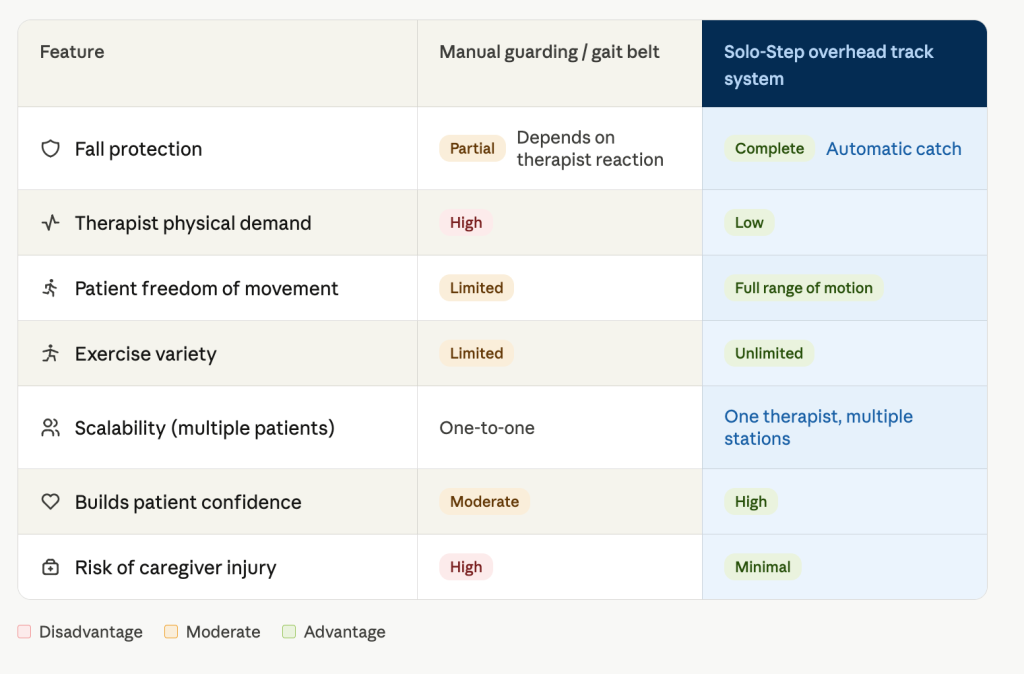
How Does a Ceiling-Mounted Track System Compare to Manual Guarding?
Check out the chart below to compare the differences between manual guarding and using the Solo-Step Overhead Track System!
Frequently Asked Questions About Fall Prevention Systems
How much does a fall prevention system cost?
The cost of a fall prevention system varies widely depending on the type and configuration. Environmental modifications like grab bars and non-slip flooring may cost a few hundred dollars. A full overhead track system like the Solo-Step for a clinic can range from a few thousand dollars to more, depending on track length and configuration. When weighed against the cost of a single fall-related hospitalization, which averages over $30,000, the investment is highly cost-effective.
If you’d like a free quote for a Solo-Step Overhead Track System, click here!
How do I know what size track configuration I need?
Track configuration depends on the space available and the therapy goals. A straight track in a hallway may be sufficient for basic gait training, while an L-shaped or full-room track allows for more diverse exercise programming. Our team can assess your space and recommend the right configuration for your clinical setting.
Are overhead track systems safe?
Yes. Systems like the Solo-Step are engineered to exceed weight-bearing safety standards and are tested for durability in high-use clinical environments. The harness fits a wide range of patient body types and is adjustable for comfort. When installed by a qualified professional to the manufacturer’s specifications, overhead fall prevention systems are among the safest rehabilitation tools available.
Who can benefit most from an overhead track and harness system?
Overhead track systems provide the greatest benefit for patients with significant fall risk, including stroke survivors, Parkinson’s patients, those recovering from lower extremity surgery, elderly patients with balance impairments, and anyone whose fear of falling is limiting their rehabilitation progress.
Who installs the Solo-Step Overhead Track and Harness System?
Solo-Step has a team of professionally trained installation technicians that travel across the U.S. to install your new system. Our team handles the coordination, travel, testing, installation, and cleanup so you can enjoy your new system as soon as possible.
How long does it take to install the Solo-Step Overhead Track System?
Depending on the size of your new system, installation can take between a couple of hours and a couple of days for proper installation and testing of the system.
Choosing the Right Fall Prevention System for Your Needs
When evaluating fall prevention systems, ask these key questions:
- What is the patient’s fall risk level? Higher-risk patients benefit from continuous, active protection like the Solo-Step Overhead Track and Harness System.
- What are the therapy goals? If you need to support gait training, balance, transfers, and functional movement, choose a system that supports all of these activities.
- What is the setting? Clinical settings benefit from long track runs and multi-station configurations. Solo-Step can configure a layout that is best for your facility.
- What is the budget and ROI? Consider the cost of a fall-related injury, caregiver burnout, and lost therapy time against the upfront investment.
- Is ease of use important? The Solo-Step system is simple to use while being effective against dangerous falls.
The Bottom Line
Fall prevention is not a passive concern; it is an active clinical priority that directly impacts patient outcomes, facility liability, caregiver health, and the speed of recovery. The best fall prevention systems go beyond environmental modifications to deliver active, reliable protection that empowers patients to challenge themselves safely.
The Solo-Step Overhead Track and Harness System represents the gold standard in fall prevention systems for physical therapy clinics and rehabilitation facilities. Its ceiling-mounted design and comfortable harness system deliver unmatched protection and freedom of movement, giving patients the confidence to recover and therapists the tools to deliver better care.
Ready to Learn More?
If you are interested in adding an overhead track and harness system to your facility, our team is here to help you find the right configuration for your space and patient population.
Click the button below to request a quote, schedule a consultation, or learn more about how the Solo-Step fall prevention system can transform your rehabilitation program.